Many of us know the quiet frustration of standing at the kitchen counter with an eight-ounce glass of tap water, waiting for the desire to drink it to appear. You know your body needs fluids to keep your joints moving smoothly and your energy steady, yet the cold, flat taste of plain water feels like a chore. Over time, drinking enough can turn into a battle of willpower that leaves you feeling guilty and tired by late afternoon.
Here at our journal, we believe that staying well should never feel like an assignment you dread. Fluid intake does not have to come solely from clear water poured straight from the faucet. By bringing gentle flavors, warm pots, and garden herbs into your daily rhythm, you can nourish yourself with pleasure instead of pressure. Let us look at why our bodies resist plain liquids as we grow older, and explore several honest, comforting alternatives you can make on your stove or counter today.
Why the Thirst Signal Naturally Fades Over the Years
If you find that hours go by without you ever feeling parched, you are not doing anything wrong. As our bodies age past 60 or 65, the neurological receptors in the brain that monitor fluid balance become noticeably less sensitive. In younger years, a drop in body water triggers a clear dry mouth or a sharp craving for a drink. As the decades pass, that signal dims to a faint whisper, meaning dehydration can quietly settle in long before you actually notice your mouth feels dry.
At the same time, the kidneys undergo natural changes. They filter blood with a bit less efficiency and require slightly more water to process daily metabolic waste. If you take certain medications, such as blood pressure water pills or mild diuretics, fluid leaves your tissues more rapidly. Because the natural impulse to drink is muted, relying on spontaneous thirst simply does not work well anymore.
Ignoring this shift can lead to subtle issues that many people mistake for normal aging. Low fluid levels often show up as mild morning confusion, dry skin that tears easily, sudden dizziness when standing up from a chair, or persistent bowel sluggishness. It is important to note that if you manage heart failure or severe kidney disease, fluid restrictions may be part of your medical plan. Always discuss your daily liquid targets with your physician before making big changes to how much you drink.
Mild Herbal Teas That Soothe and Hydrate
Herbal tisanes are dried leaves, flowers, and roots steeped in hot water. Because they are naturally free of caffeine, they do not carry the mild diuretic effect associated with heavy black teas or dark roast coffee. They count ounce-for-ounce toward your daily fluid total while offering gentle warmth that relaxes tight neck muscles and eases an uneasy stomach.
Temperature plays a big role in how inviting a drink feels. Cold drinks can occasionally cause mild stomach cramping or chill an older body that already struggles to retain heat in autumn and winter. A warm mug held in two hands encourages slow, steady sips. If you prefer cool drinks in the summer, herbal teas can be brewed hot and then allowed to cool on the counter to room temperature, which is often far easier to swallow than iced water.
| Herb | Water Temperature | Steep Time | Flavor and Character |
|---|---|---|---|
| German Chamomile | 200 degrees Fahrenheit | 6 to 8 minutes | Floral, hints of crisp green apple, relaxing for the throat. |
| Red Rooibos | 205 degrees Fahrenheit | 5 to 7 minutes | Woodsy, naturally sweet, rich in mineral balance without bitterness. |
| Spearmint | 190 degrees Fahrenheit | 4 to 5 minutes | Gentle sweetness, cooler than peppermint, settles mid-day digestion. |
| Linden Flower | 200 degrees Fahrenheit | 7 to 10 minutes | Delicate, faintly honeyed, helps quiet an overactive nervous system. |
When selecting herbs, look for whole dried blossoms or leaves from a reputable spice merchant or apothecary rather than crushed dust in paper packets. The essential oils stay preserved in the whole leaf, giving you a full, rounded aroma that awakens your senses without needing added sugar.
Sirop-Free Infusions Using Citrus and Fresh Herbs
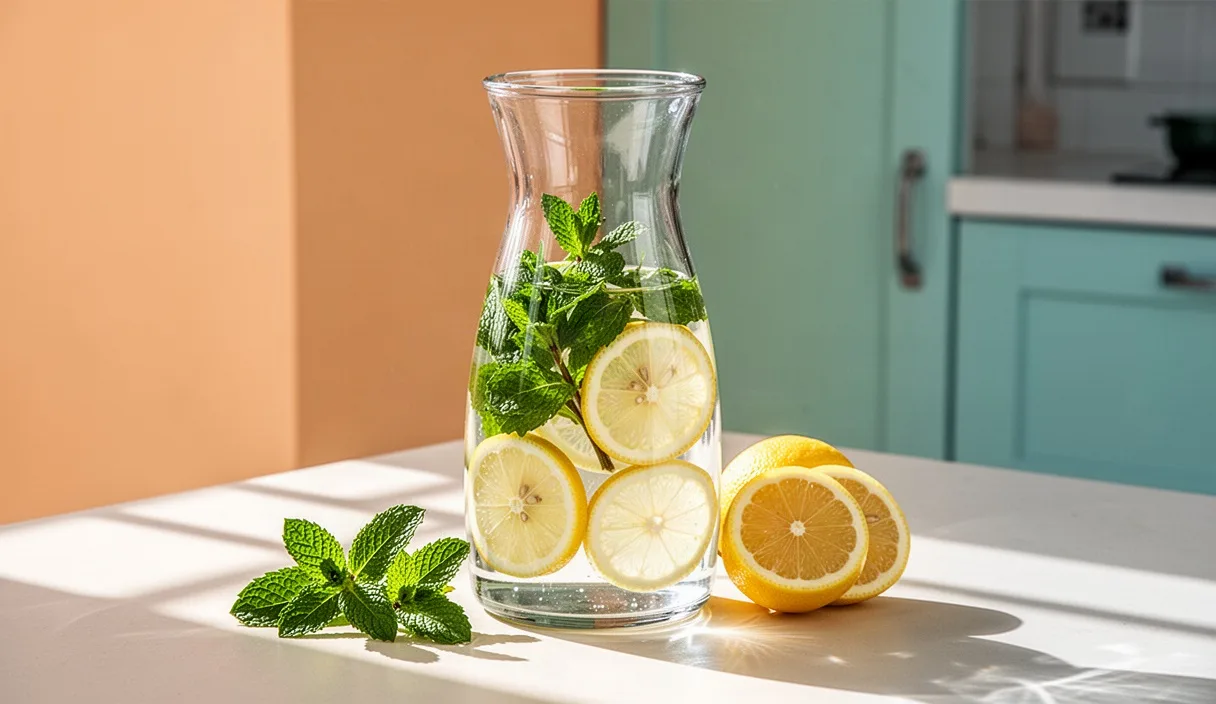
Bottled water enhancers and powdered drink mixes often rely on artificial sweeteners or high-fructose corn syrups. While they add flavor, the intense chemical sweetness can leave an odd aftertaste and sometimes irritate an older digestive tract. Cold-steeping real fruits and herbs in a glass pitcher offers a clean, aromatic flavor that makes plain tap water feel entirely new.
The goal of an infusion is not to make fruit juice, but to let the volatile oils and subtle acids perfume the water. Because citrus peels contain bitter oils in their white pith, slicing the fruit thinly or peeling away the yellow skin with a vegetable peeler gives you bright flavor without the biting bitterness that develops after an hour on the counter.
To prepare an infusion that lasts through the day, follow these simple preparation actions:
- Rinse and prep the produce: Wash one small lemon and half an English cucumber. Slice them into rounds about one-quarter inch thick.
- Release the herb oils: Take three sprigs of fresh mint, sweet basil, or rosemary. Place them on your cutting board and tap them gently with the back of a heavy wooden spoon. Bruising the leaves cracks the cell walls and releases fragrant oils into the liquid.
- Combine in glass: Drop the slices and bruised herbs into a two-quart glass pitcher. Glass is preferable to plastic because it does not retain old odors or flavors from previous drinks.
- Add filtered water: Pour room-temperature or cool water over the ingredients. Stir once with a long spoon to submerge everything.
- Rest and strain: Let the pitcher sit on your counter for 45 minutes, or in the refrigerator for two hours, before pouring your first glass. Strain out the solids after 12 hours so the liquid stays fresh and clear.
You can adjust these combinations to match whatever you have in the vegetable crisper. Blackberry and sage make a wonderful earthy pair, while orange wheels combined with a small sliced knob of fresh ginger provide a gentle spice that warms the throat.
Warm Broths as Savory Afternoon Hydration
We often forget that hydration does not have to be sweet. Around two or three in the afternoon, energy levels dip, and the stomach begins to anticipate the evening meal. A cold sweet drink can ruin your appetite, but a small bowl of hot, savory broth acts like a tonic. It satisfies that mid-afternoon urge for a snack while delivering several ounces of needed liquid.
Store-bought canned broths and bouillon cubes can be laden with excess sodium, which may not suit someone managing fluid retention or blood pressure concerns. A quick, clear vegetable broth made on the weekend gives you a soothing liquid you can reheat on the stove in three minutes flat.
To make a simple pot of sipping broth, place the following into a stockpot:
- Two medium carrots, scrubbed and cut into large chunks
- Three ribs of celery with their leafy tops intact
- One medium yellow onion, sliced in half with the dry skin left on for golden color
- Two bay leaves and four whole black peppercorns
- A generous handful of flat-leaf parsley stems
- Eight cups of cold tap water
Bring the pot to a steady boil over medium heat, then turn the flame down to low, cover partially with a lid, and let it simmer for 45 minutes. Pour the liquid through a fine wire mesh strainer into heat-safe glass jars. Discard the spent vegetables. You now have a mild, golden stock with a grounding aroma. Pour six to eight ounces into your favorite soup mug, stir in a pinch of dried thyme or a tiny squeeze of lemon juice, and sip it slowly while reading or listening to music.
Setting a Visual Reminder to Sip Across the Day
Because you cannot rely on thirst to tell you when to drink, building small visual cues into your living space removes the mental effort of remembering. You should never feel that you must track ounces on an app or keep a complex diary. Instead, let your household environment do the work of prompting you.
One reliable method is the dedicated vessel habit. Pick one specific 16-ounce glass pitcher or a favorite ceramic jug. Fill it each morning after breakfast and place it directly on the table beside your reading chair, or on the counter right next to your medicine organizer. Knowing that your only goal is to empty that single small pitcher by four in the afternoon makes the process manageable.
Pairing your drinks with fixed daily habits also works wonders:
- The morning paper: Brew a mug of rooibos tea as soon as you retrieve the mail or open the morning paper, sipping through the crossword or the news.
- The midday break: Pour a tall tumbler of your cucumber-mint infusion when you stand up to make your lunchtime sandwich.
- The afternoon reset: Warm up a cup of strained vegetable broth during your usual afternoon quiet time, around two or three o'clock.
- The evening unwind: Sip a warm cup of linden flower or chamomile an hour before heading to bed to help relax your muscles.
By attaching your drinks to activities you already do without thinking, drinking becomes a natural rhythm of your day rather than a chore you keep forgetting to do.
Common Hydration Mistakes to Watch For
Even with good intentions, small misunderstandings can make staying hydrated harder than it needs to be. Here are a few frequent stumbling blocks we notice in the home:
- Gulping entire glasses at once: Drinking 16 ounces in 30 seconds overfills the stomach, triggers immediate urine output, and can cause mild nausea. Sip three or four ounces every half hour instead.
- Drinking water that is far too cold: Ice-filled tumblers can cause throat irritation and shock the stomach, making you want to stop after two sips. Room temperature is far kinder on older throats.
- Relying on heavily caffeinated drinks: Coffee and strong black tea provide fluid, but four or five cups a day can irritate the bladder lining and cause frequent bathroom trips, which makes people want to drink less overall.
- Stopping all liquids early in the day: Cutting off fluids at three in the afternoon out of fear of nighttime bathroom trips can leave you dehydrated by bedtime, leading to nocturnal leg cramps. A small half-cup of tea an hour before bed is usually well tolerated.
Small Daily Adjustments for Better Hydration
You do not need to overhaul your entire kitchen routine by tomorrow morning. Real, sustainable habits take shape through tiny adjustments that feel good right away. Tomorrow, skip the plain glass of tap water that you have been avoiding. Instead, pick one simple alternative that sounds pleasant to your palate.
If you enjoy gardening, gather a few sprigs of mint or rosemary from the yard, bruise them gently, and let them sit in a clean jar of fresh water on the counter. If you prefer the comfort of a warm kitchen, put the kettle on after lunch and try a cup of red rooibos or linden flower. Pay attention to how your head feels in the late afternoon, how easily your joints bend, and how your mouth feels when you wake up. When you treat drinking fluids as an act of gentle self-care rather than a medical obligation, finding the bottom of your cup becomes a simple daily pleasure.