
Many of us grew up thinking of breakfast as a quick piece of toast with butter, a small bowl of dry cereal, or simply a cup of black coffee on the way out the door. As the years go by, our appetites in the morning can change. Some mornings we wake up hungry, while on other days food is the last thing on our minds. Yet what we put on our morning plate plays a quiet, steady role in how our legs feel on the stairs and how steady our energy remains through the afternoon.
Here at Elderwell Journal, we like to keep kitchen routines simple, affordable, and practical. You do not need expensive powders, complicated kitchen gadgets, or heavy steaks at sunrise to nourish your body well. With a few small adjustments using ingredients already sitting in your local grocery aisles, you can build a morning meal that supports your strength and tastes like home.
Why Older Bodies Need Protein Early in the Day
As our bodies mature, our muscles process dietary protein a little less efficiently than they did in our twenties and thirties. Geriatric nutrition researchers refer to this natural change as sports nutrition resistance. To trigger the body to maintain muscle tissue and repair daily wear, each meal needs a clear, noticeable amount of protein. When we skimp on protein in the morning and save it all for a big pot roast at dinner, our muscles miss an important rebuilding window after an eight-hour night of fasting.
Many clinical nutritionists suggest aiming for roughly 25 to 30 grams of protein at breakfast for older adults. That amount sends a strong signal to your muscle cells to rebuild and helps keep your blood sugar from spiking and dipping before noon. Maintaining muscle strength directly supports joint stability, balance, and the everyday independence needed to carry groceries, garden, or lift grandchildren.
Of course, each person has different kidney health considerations and metabolic targets. If you manage chronic kidney disease or specific liver concerns, you should speak with your physician or a registered dietitian before making large shifts in how much daily protein you consume. For most older adults, spreading protein evenly across three meals is a sensible, gentle way to preserve vitality.
Stirring Cottage Cheese into Hot Grains
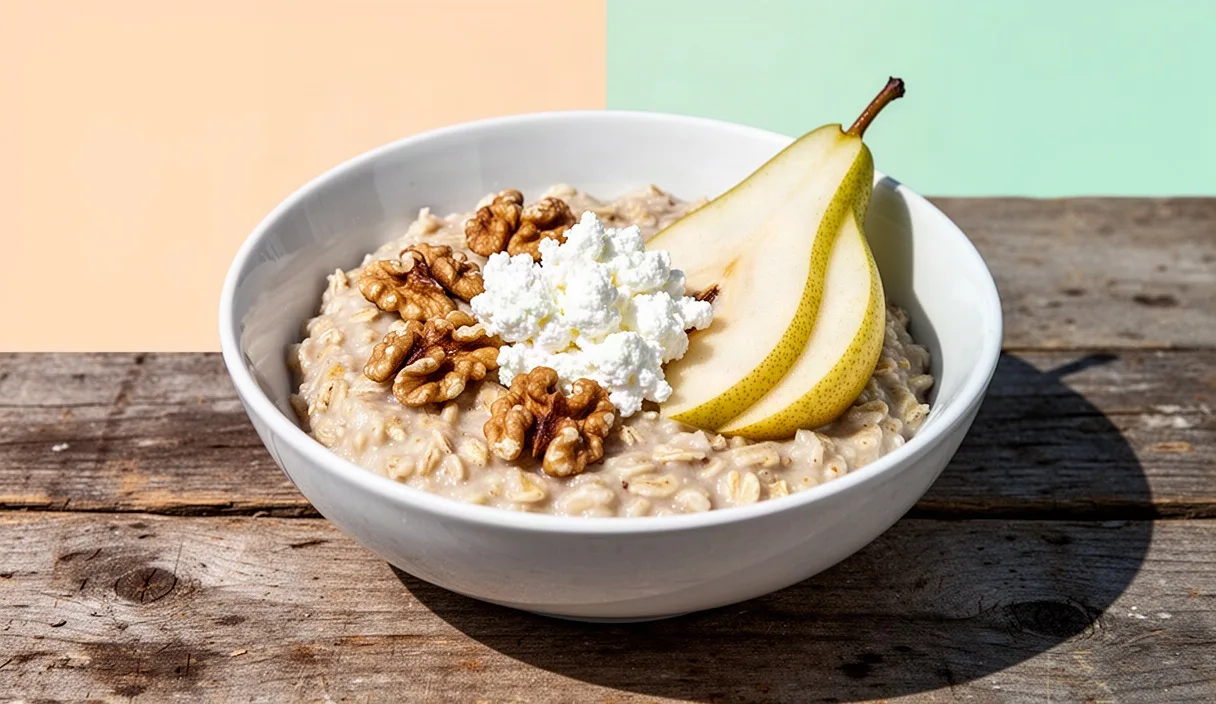
A warm bowl of rolled oats is one of the most comforting breakfasts imaginable, especially on a chilly morning. The trouble with plain oatmeal prepared with water is that it delivers mostly carbohydrates, leaving you hungry again two hours later. A single half-cup serving of low-fat or whole-milk cottage cheese provides about 13 to 14 grams of quality dairy protein. When stirred directly into hot grains right after cooking, it melts into a rich, creamy sauce that tastes surprisingly like mild sweet cream.
To try this in your kitchen, prepare your usual bowl of rolled oats, quick oats, or cream of wheat on the stove or in the microwave. Once the grain is hot and fully cooked, take the pot off the burner. Spoon in a rounded half-cup of small-curd cottage cheese and stir briskly for twenty seconds. The curds soften immediately from the residual heat. You can sweeten it naturally with a dash of cinnamon, a handful of blueberries, and a drop of pure maple syrup.
If you prefer savory flavors in the morning, hot yellow grits or steel-cut oats welcome cottage cheese just as happily. Season the bowl with a pinch of black pepper, a sprinkle of chives, and a drizzle of olive oil instead of fruit. The table below shows a few easy combinations you can prepare with pantry staples.
| Grain Base | Dairy Addition | Flavor Accent | Approximate Protein |
|---|---|---|---|
| Rolled oats (cooked in water, 1 cup) | Small-curd cottage cheese (1/2 cup) | Cinnamon, sliced banana | 19 grams |
| Cream of wheat (cooked in milk, 1 cup) | Whipped cottage cheese (1/2 cup) | Nutmeg, chopped walnuts | 22 grams |
| Corn grits (cooked in broth, 1 cup) | Whole-milk cottage cheese (1/2 cup) | Black pepper, sharp cheddar (2 tbsp) | 20 grams |
Quick Egg Preparations That Are Gentle to Chew
Eggs are a classic breakfast choice for good reason. One large egg contains about 6 grams of protein, complete with all essential amino acids, alongside choline to support brain health. However, eggs that are fried until crispy or overcooked into rubbery patties can be tough to manage if your teeth are sensitive or if your mouth runs a bit dry in the morning. Preparing eggs gently keeps them tender and easy to chew.
A soft scramble is one of the kindest preparations for older mouths. Beat two whole eggs in a small bowl with two tablespoons of whole milk or half-and-half and a tiny pinch of salt. Warm a nonstick skillet over medium-low heat with a half-pat of butter. Pour in the eggs and let them sit until the bottom just begins to set, about twenty seconds. Then, using a silicone spatula, push the eggs gently from the outer rim toward the center, forming soft, moist ribbons. Take the pan off the heat while the eggs still look slightly glossy; the warmth of the pan finishes the cooking without drying them out.
You can also turn to coddled or soft-boiled eggs. Lower two eggs carefully into a small pot of gently simmering water using a slotted spoon. Cook them for six minutes for a runny yolk or seven minutes for a custard-like center, then transfer them directly into cold tap water. Peeled and placed over a slice of soft whole-grain toast, the warm yolk acts like a rich butter sauce. Stirring a spoonful of mild ricotta cheese directly into warm scrambled eggs also adds about 3 grams of protein while keeping the texture wonderfully light.
Nut Butters and Ground Seeds for Extra Nutrition
Jars of nut butter and small bags of seeds are concentrated sources of plant protein, healthy monounsaturated fats, and dietary fiber. They require zero cooking, store well on pantry shelves, and slip easily into dishes you already make. For older digestive systems, the way you prepare these seeds makes a large difference in how much nutrition your body actually absorbs.
Whole flaxseeds and chia seeds often pass through the intestinal tract without breaking down, meaning your body misses their protein, lignans, and omega-3 fatty acids. Buying pre-ground flaxseed meal, or running whole seeds through a clean coffee grinder at home, solves this problem. Two tablespoons of ground flaxseed provide about 3 grams of protein and 4 grams of soluble fiber, which helps keep morning digestion regular. Hemp hearts (shelled hemp seeds) are naturally soft and tender, offering nearly 10 grams of protein in a three-tablespoon serving without any grinding required.
Nut butters provide another quick lift. Two tablespoons of traditional peanut butter offer about 8 grams of protein. Almond butter provides roughly 7 grams alongside generous amounts of vitamin E for skin and cell health. When purchasing nut butters, check the ingredient label. The best options list only roasted nuts and perhaps a little salt, avoiding added palm oils and refined sugars.
- Hemp hearts: Sprinkle two tablespoons over yogurt, warm oatmeal, or applesauce for an instant 6 to 7 grams of tender protein.
- Smooth peanut or almond butter: Swirl a generous tablespoon into warm porridge, or spread it across warm whole-wheat toast cut into easy-to-manage quarters.
- Ground chia seed: Stir a tablespoon into fruit puree or warm milk ten minutes before eating; it forms a soft gel that is very gentle on the throat.
- Sunflower seed butter: A wonderful choice if you or a housemate have peanut allergies, offering roughly 7 grams of protein per two-tablespoon serving.
A Sample Seven-Day High-Protein Breakfast Rotation
Eating the same breakfast every morning can grow tiresome, yet deciding what to cook every day can feel exhausting. Having a gentle plan takes the guesswork out of your morning while ensuring you hit your protein goals consistently. Here is a simple week of meals designed to be soft, flavorful, and easy to prepare in a modest kitchen.
Monday: Cinnamon Cottage Porridge
Cook one cup of rolled oats in water or milk. Off the heat, fold in a half-cup of small-curd cottage cheese, a sliced soft banana, and a generous shake of ground cinnamon. This delivers around 20 grams of protein and takes less than six minutes from start to finish.
Tuesday: Soft Scramble with Whole-Grain Toast
Beat two eggs with two tablespoons of whole milk. Cook them slowly in a buttered pan until soft and pillowy. Serve alongside one slice of soft whole-wheat toast spread with two tablespoons of smooth peanut butter, and enjoy with a cup of tea. Total protein is approximately 23 grams.
Wednesday: Greek Yogurt and Stewed Berries
Spoon three-quarters of a cup of plain whole-milk Greek yogurt into a bowl. Greek yogurt is strained, which removes liquid whey and concentrates the protein to about 16 grams per serving. Top with warm frozen blueberries that have been heated in the microwave for thirty seconds, two tablespoons of hemp hearts, and a light drizzle of honey. Total protein comes to roughly 23 grams.
Thursday: Cheesy Grits and Poached Egg
Prepare one cup of quick-cooking yellow corn grits using milk or chicken broth for extra flavor. Stir in two tablespoons of shredded mild cheddar cheese and a quarter-cup of cottage cheese. Top with a soft-poached or soft-boiled egg. As the egg yolk breaks into the warm grits, you get a comforting dish providing around 21 grams of protein.
Friday: Nut Butter and Berry Toast Duo
Toast two slices of soft, high-protein sprouted grain bread. Spread each slice with one tablespoon of smooth almond or peanut butter. Top with mashed fresh strawberries and a dusting of ground flaxseed. Paired with a warm eight-ounce glass of whole milk or high-protein soy milk, this breakfast offers about 25 grams of protein.
Saturday: Baked Cottage Cheese and Berry Custard
If you have a bit of extra time on the weekend, blend one cup of cottage cheese with two eggs, one teaspoon of vanilla extract, and a tablespoon of flour or cornstarch. Pour the mixture into two small buttered ramekins, drop in a few raspberries, and bake at 350 degrees Fahrenheit for twenty-five minutes until set. One ramekin gives you about 18 grams of soft, custard-like protein.
Sunday: Soft Egg Salad on an English Muffin
Finely chop two hard-boiled eggs and mix them with one tablespoon of mayonnaise, one tablespoon of plain Greek yogurt, a squeeze of lemon juice, and a pinch of dill. Spread over a lightly toasted, fork-split English muffin. The Greek yogurt quietly adds protein while lightening the texture. This meal yields about 18 grams of protein.
Common Breakfast Protein Mistakes
When trying to increase morning protein, it is easy to stumble into habits that either cause digestive upset or make mealtime feel like a chore. One common error is relying heavily on dry protein bars or commercial powders. These processed items often carry artificial sweeteners, sugar alcohols like sorbitol, and gums that can cause uncomfortable stomach cramps, bloating, and gas in mature digestive tracts. Real, whole foods are almost always gentler and more pleasant to eat.
Another frequent oversight is forgetting fluids. As protein and fiber intake increases, your kidneys and intestines need more water to process the additional nitrogen and roughage smoothly. If you add an extra egg, seeds, or dairy to your breakfast, be sure to drink a full eight-ounce glass of water or herbal tea alongside your morning coffee.
Finally, avoid eating your protein entirely at the very end of the morning. Waiting until eleven o'clock to eat your first bite leaves your muscles without amino acids for too long after waking. Try to eat within two hours of getting out of bed, even if it is just a modest portion of yogurt with hemp hearts to start.
Practical Next Steps for Your Kitchen
You do not need to overhaul your refrigerator overnight to make a meaningful difference in your morning routine. Pick just one simple idea from this guide to try tomorrow morning. If you usually enjoy oatmeal, buy a small tub of cottage cheese on your next grocery trip and stir a few spoonfuls into your warm bowl. If you prefer toast, try swapping ordinary fruit jelly for natural peanut butter and a sprinkle of soft hemp hearts.
Pay close attention to how you feel three hours after eating. Notice whether you have fewer mid-morning energy lulls and whether your legs feel a bit more capable during your morning stroll. Keep your doctor or registered dietitian informed of changes in your daily diet, especially if you monitor kidney functions or blood sugar numbers closely. Taking care of your body can happen one quiet, delicious breakfast at a time.