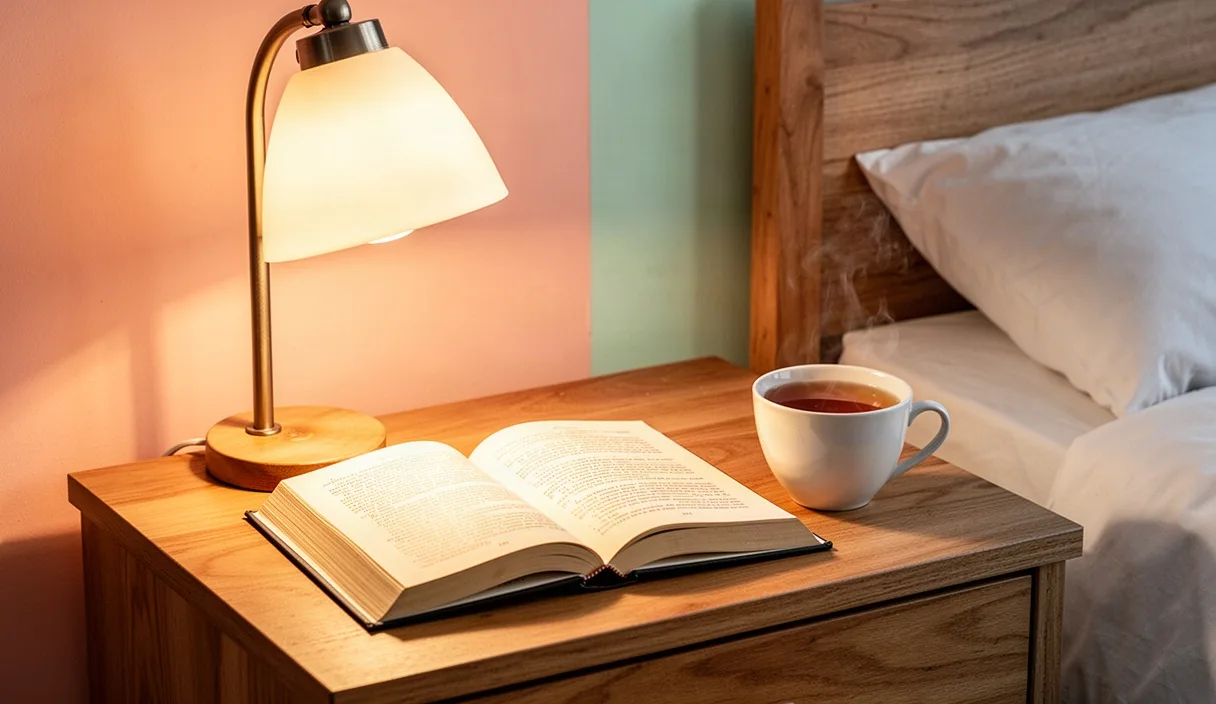
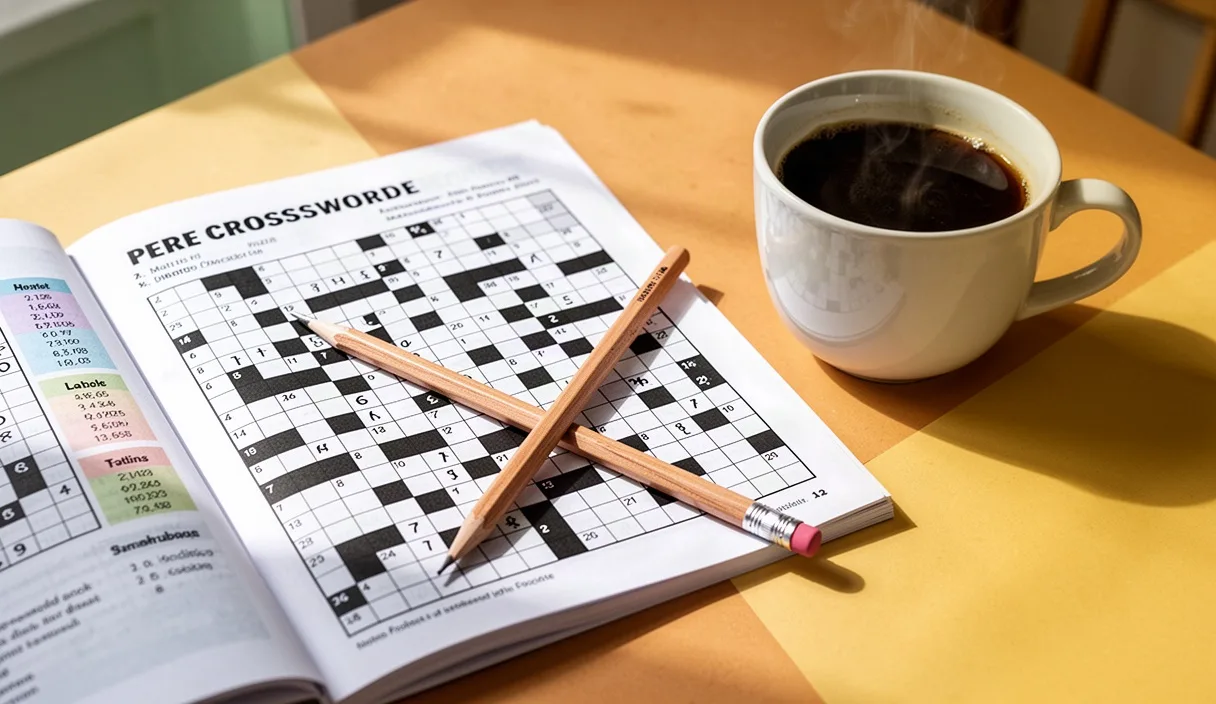
Many of us have a favorite chair where we sit in the quiet hours of the morning. Perhaps there is a mug of tea resting on the side table, a pair of reading glasses nearby, and a fresh folded newspaper waiting on your lap. When you pick up a pencil and glance at the crossword grid, you are doing something far deeper than just passing the time before the house wakes up. You are giving your thoughts a gentle, steady place to land.
Here at the journal, we see word puzzles as a wonderful companion for everyday healthy living. They ask you to dig into memories you have not visited in years, from old geography lessons to names of classic actors. In this guide, we want to walk through how a daily crossword habit supports your focus, how to pick puzzles that bring satisfaction instead of headache, and how to weave this quiet pastime into a rhythm that brightens your days.
The Science Behind Word Recall and Brain Plasticity
When you read a crossword clue like "Bark from an oak, four letters," several parts of your brain get straight to work. Your eyes scan the letters, your visual cortex processes the shapes, and your language center searches through a lifetime of vocabulary. You pull up memories of trees, wine bottles, and park walks until you land on "cork." This retrieval process acts like a light walk for your neurons, prompting them to fire across pathways that might otherwise sit idle.
Researchers often refer to this as supporting cognitive reserve. Think of cognitive reserve as a savings account built from years of reading, conversation, problem-solving, and general curiosity. When you solve a puzzle, you practice what scientists call semantic retrieval, which is the ability to extract facts, words, and concepts from long-term memory. Neuroplasticity, the brain's natural ability to remodel its connections throughout our lives, responds well to this gentle, regular effort.
Studies have shown that older adults who regularly engage in word and number games often maintain recall speeds similar to people several years younger. Puzzles also demand working memory, because you must hold the length of the word, crossing letters, and alternate meanings in your head all at the same time. While crosswords are a helpful exercise for everyday sharpness, they are not a daily routine. If you or a loved one ever notices abrupt changes in memory, speech, or navigation, it is always wise to consult a qualified physician or neurologist for a personalized checkup.
Choosing Puzzles That Challenge Without Overwhelming
A crossword should feel like an engaging conversation with a clever friend, not an exam you did not study for. If a puzzle is too simple, your attention drifts. If it is packed with obscure trivia, you might feel discouraged and push the book aside. Finding the right balance keeps the habit enjoyable day after day.
Newspaper puzzles traditionally follow a weekly cycle. Monday puzzles are the friendliest, featuring direct clues and familiar words. As the week moves toward Saturday, the clues become more playful, relying on puns, misdirection, and less common vocabulary. Sunday puzzles are usually large like a weekend project, but their difficulty often matches a mid-week level. Knowing this pattern helps you pick a grid that matches your energy for the day.
| Puzzle Level | Clue Style | Best For |
|---|---|---|
| Early Week (Monday-Tuesday) | Straightforward definitions, few puns, common words | Quick morning warm-ups, beginners, relaxed solving |
| Mid-Week (Wednesday-Thursday) | Wordplay, double meanings, light cultural trivia | Building confidence with tricky clues and lateral thinking |
| Late Week (Friday-Saturday) | Extensive misdirection, rare vocabulary, subtle wordplay | Experienced solvers looking for a deep mental workout |
| Cryptic Crosswords | Anagrams, hidden words, and coded instructions inside each clue | Solvers who enjoy lateral logic and linguistic riddles |
To find your sweet spot, aim for a puzzle where you can fill in roughly 65% to 75% of the white squares on your first pass. That gives you enough traction to work through the stubborn corners without feeling stuck. If you are just starting out, buy a book labeled "easy to medium" or look for "quick crosswords" in your local paper. Large-print editions are also wonderful because they give your eyes a rest and provide extra room to write notes in the margins.
Pairing Solitary Puzzle Time with Morning Coffee
Habits thrive when they hitch a ride on an established daily ritual. If you already brew a fresh pot of coffee or steep a pot of chamomile tea each morning, that becomes your natural anchor. Setting your puzzle book beside your favorite mug the night before turns solving into a calm invitation rather than an added chore on your to-do list.
To build a comfortable routine that respects your body as well as your mind, consider these practical adjustments:
- Set up proper lighting: Position a warm lamp near your shoulder. A reading lamp with around 450 lumens prevents eye strain, especially during darker winter mornings.
- Choose the right tool: Use a soft lead pencil, such as a number two or 2B pencil, paired with a reliable vinyl eraser. Pencils take away the pressure of making an error and keep the grid neat.
- Mind your posture: Sit back against a firm cushion rather than hunching over a low coffee table. Keeping your neck aligned prevents tension headaches after twenty minutes of solving.
- Use a 25-minute boundary: Give yourself a set window. Setting a gentle timer lets you immerse yourself in the puzzle without letting it cut into your walks, meals, or family calls.
If you encounter a clue that leaves you completely blank, do not fret. Put your pencil down, take a sip of your beverage, and walk across the room to stretch your legs. Giving your mind a few minutes away often lets your subconscious sort through the options, and the right answer frequently pops up the moment you sit back down.
Rotating Across Anagrams, Sudoku, and Word Searches
Crosswords rely heavily on your verbal memory and vocabulary. That is a wonderful foundation, but your mind benefits from a balanced diet of different mental tasks. Just as a good walking routine might include stretching and balance work, your puzzle table can welcome other types of games.
Sudoku puzzles activate your spatial and deductive reasoning. You do not need to be a mathematician to solve them, because numbers in Sudoku act merely as symbols. You are training your attention to detail by verifying rows, columns, and boxes without repeating digits. Anagrams and word scrambles, on the other hand, train your visual flexibility. They challenge you to disassemble letter groups and rebuild them in new configurations, which strengthens pattern recognition.
Here is an easy weekly schedule you might adapt to keep things fresh:
- Monday and Wednesday: Standard crosswords to practice vocabulary and general knowledge.
- Tuesday: A 9-by-9 Sudoku grid to engage logical deduction and spatial scanning.
- Thursday: Anagrams, jumbles, or cryptograms to test letter patterns.
- Friday: A themed word search to encourage relaxed visual tracking and scanning.
- Weekend: A larger, shared puzzle or an untimed crossword tackled over two days.
Rotating your puzzles prevents boredom and ensures that you exercise different cognitive muscles. Some days you might enjoy the straightforward nature of a word search, while other days you might feel ready for the deductive rigor of a Sudoku. Listen to your mood and choose accordingly.
Turning Puzzle Work into a Shared Activity with Friends
While solitary solving brings peace, working on a grid with someone else introduces the rich benefits of social connection. Conversation, shared laughter, and collaborative problem-solving are among the most supportive things you can offer your overall well-being as you grow older.
Sharing a crossword is simple. You can sit across from your partner or a friend at the kitchen table, slide the paper into the middle, and take turns reading clues aloud. One person might remember the name of an old river in France, while the other instantly recognizes a line from a mid-century radio program. Combining your memories turns the puzzle into a shared trip down memory lane, sparking stories that might not have surfaced otherwise.
If you live alone or your friends live across town, you can still share the fun. Many solvers pick the same daily puzzle and call each other in the afternoon to compare notes. You might say, "I am stuck on 14-Across, give me just the first letter," turning a solitary moment into a warm telephone visit. You could also host a quiet weekly puzzle afternoon, setting out a pot of tea, some shortbread, and a few printed puzzles for friends to tackle together.
Common Mistakes to Avoid
Even a relaxing pastime can sometimes cause unnecessary frustration if we approach it with unrealistic expectations. Here are four common pitfalls we encourage you to sidestep:
- Refusing to consult the answer key: Looking at an answer is not cheating, it is learning. If you have wrestled with a corner for ten minutes, check the solution. Notice the word, see how the clue works, and tuck that knowledge away for the next puzzle.
- Solving while mentally fatigued: Tackling an intricate grid right before bed can cause restlessness instead of relaxation. Keep complex crosswords for daylight hours when your mind is alert.
- Getting stuck on literal meanings: Clue makers love wordplay. If a clue ends with a question mark, the constructor is signaling that the meaning is figurative, punny, or slightly cheeky.
- Viewing puzzles as a medical safeguard: Games are a delightful way to stay active, but they are not an absolute shield against memory disorders. Balance your puzzles with physical exercise, sound sleep, nutritious meals, and regular doctor visits.
Practical Steps to Begin This Week
You do not need fancy supplies or expensive subscriptions to build a fulfilling crossword practice. You can begin right where you are with a few thoughtful choices.
First, pick up a physical puzzle book with spiral binding. Spiral books lay flat on the table, making them much easier on your hands and wrists than tight paperbacks. Choose a volume that offers gentle to moderate difficulty so that you can establish your confidence early.
Second, select your puzzle spot. Make sure the seat is comfortable, the lamp is bright, and an eraser is within easy reach. Dedicate fifteen to twenty minutes tomorrow morning to your first grid. Do not rush to finish the entire page in one sitting. Fill in what you know, let yourself ponder the question marks, and celebrate the small satisfaction of watching the white boxes fill with tidy pencil marks.
Finally, invite someone into the habit. Share an amusing clue with your spouse over breakfast, or send a photograph of a clever wordplay clue to your grandchild. When you make puzzle solving a simple, daily pleasure, you nourish your curiosity, keep your mind engaged, and add a quiet pocket of joy to your morning routine.